
I'm relatively new to editing Wikipedia but have quickly started to love writing about various topics which interest me. I am mostly focused on Japanese culture and locations in Kyushu. I have had a particular focus on the Kunisaki Peninsula in Oita which is where I currently live.
I can also speak and read Japanese. I have worked on expanding English pages that have far more extensive Japanese counterparts. I have also been adding sources in Japanese to various articles when English sources are not available.
I've uploaded several images and videos to Wikimedia Commons, adding several of them to articles on both Japanese and English Wikipedia. I've attached some of them below.
| Wikipedia:Babel | ||
|---|---|---|
| ||
| Search user languages |
|


I have also created a few pages:
- Showa no Machi
- Takasakiyama Natural Zoological Garden
- Rokugo Manzan
- Kyushu Natural Animal Park African Safari
- Fūrin
- Hyotan Onsen
- Bungo-Mori Roundhouse
- Harajiri Falls
- Inazumi Underwater Cave
And made significant contributions to many more such as:
- Kunisaki Peninsula
- Bungotakada
- Himeshima
- Hells of Beppu
- Usa Jingu
- Oita Airport
- Ganban'yoku
- Western Springs Water Tower
Some pictures I took of Oita Prefecture:
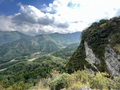 Ebisudani Valley (夷谷) from the Nakayamasenkyo hiking course
 Nio Guardians on the Kunsaki Long Trail hiking course
 Bungotakada's annual naked festival. I participate every year. I'm carrying the mikoshi through the river in this picture!
 Matama Coast's tidal flats in Bungotakada
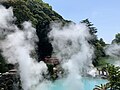 Umi Jigoku or "Sea Hell" at the Hells of Beppu
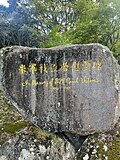 Memorial to the dead crew members of a B-29 bomber that crashed on Mount Hachimen (八面山), Nakatsu during WWII. There was a kind monk at the temple next to the site who told me the amazing story.
 A torii at Futago-ji on the Kunisaki Peninsula. Torii are typically found at Shinto shrines, but due to the Rokugo Manzan temples being the origin of shinbutsu-shūgō, some elements of Shinto can be seen at these temples
 Fūrin at Nyoirin-ji
.png)


_in_Beppu.jpg)


